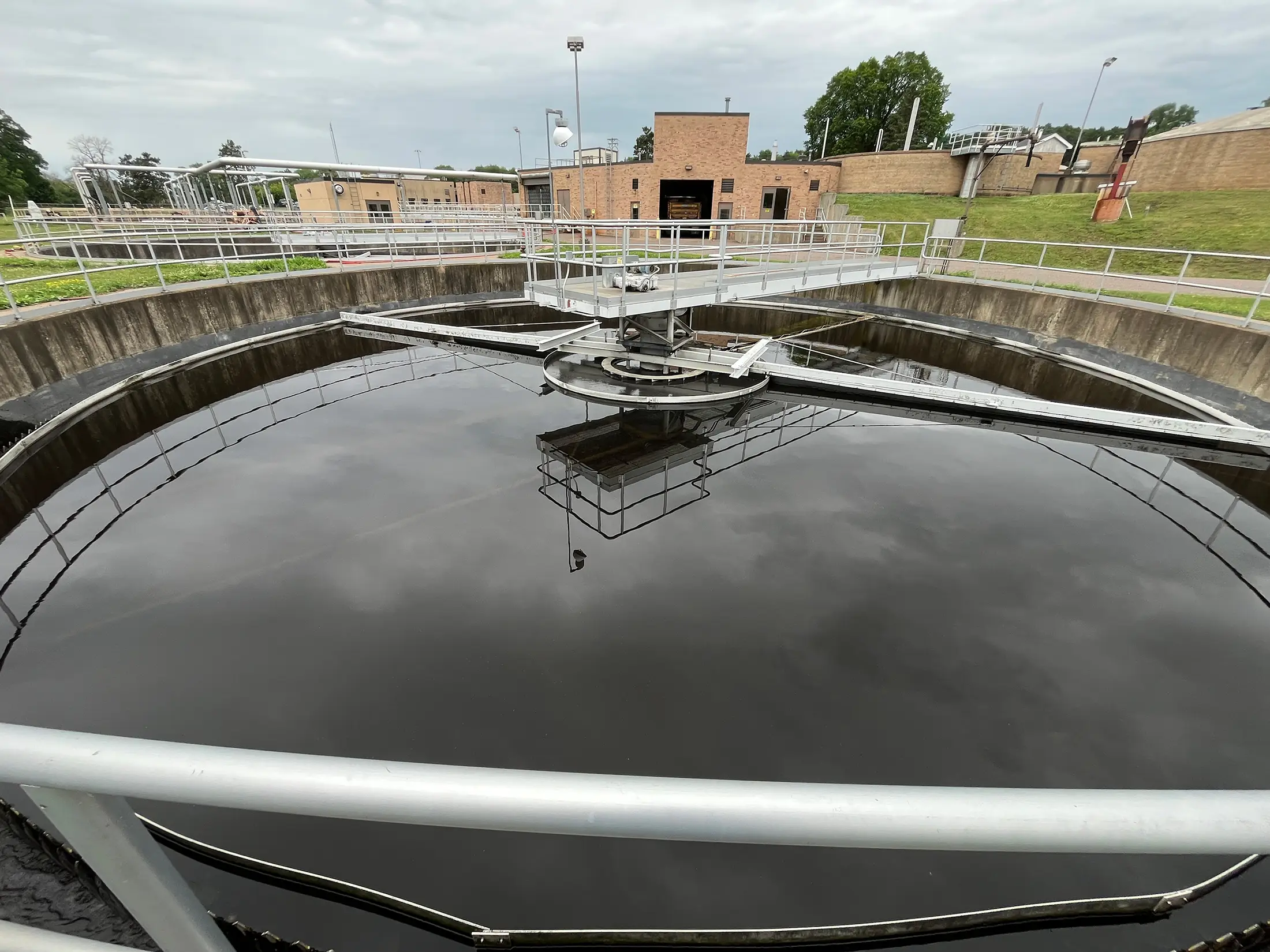



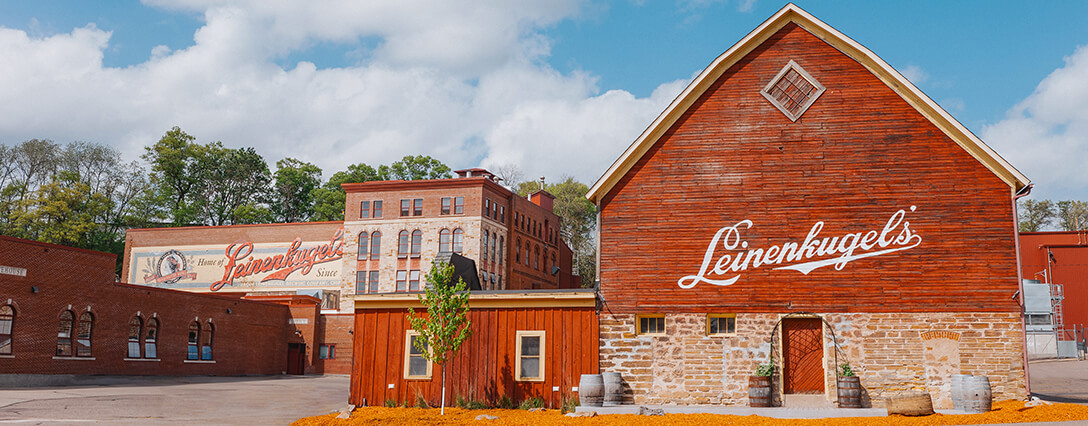
For more than 150 years, Leinenkugel’s and Chippewa Falls, Wisconsin, were closely linked. The brewery helped define the local economy and quietly played an important role in how the city’s wastewater system functioned.
In the world of drinking water infrastructure, Good Water = Good Beer. But as Chippewa Falls discovered in 2025, the flip side matters just as much: when the beer went away, a critical high-strength waste stream went with it.
When Leinenkugel’s relocated brewing operations from Chippewa Falls to Milwaukee, the community lost more than a historic brand. The wastewater treatment facility (WWTF) suddenly lost a major, high‑strength industrial load that had been part of its operating balance for years.
Key Takeaways
1. The loss of a major industrial user can significantly impact wastewater operations.
When Leinenkugel’s moved brewing operations out of Chippewa Falls, the wastewater treatment facility lost a major source of high-strength organic waste that supported biological treatment processes, creating operational, chemical, and financial challenges.
2. Successful adaptation requires a whole-system approach.
Rather than relying on quick fixes, the City of Chippewa Falls and AE2S used data-driven operational changes and targeted improvements to restore system stability, maintain compliance, and plan for future needs.
3. Available utility capacity can become an economic development advantage.
While losing a major customer created challenges, it also freed up existing water and wastewater capacity, positioning Chippewa Falls to attract future industrial and commercial growth with infrastructure already in place and ready to serve.
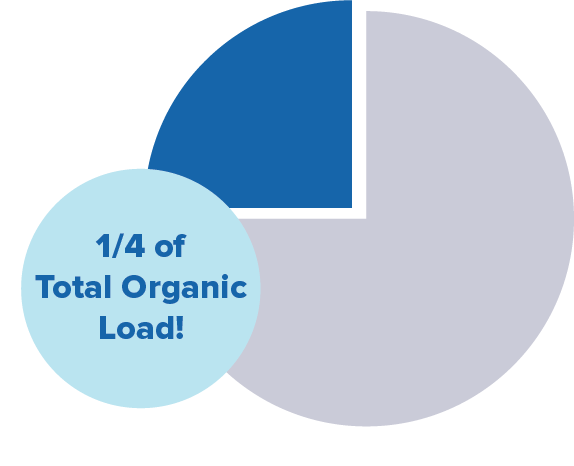
As recently as 2022, Leinenkugel’s contributed nearly one‑quarter of the total organic load of the WWTF. Even as production tapered, the brewery still accounted for 17% of that load in 2024 before moving its production operations in 2025.
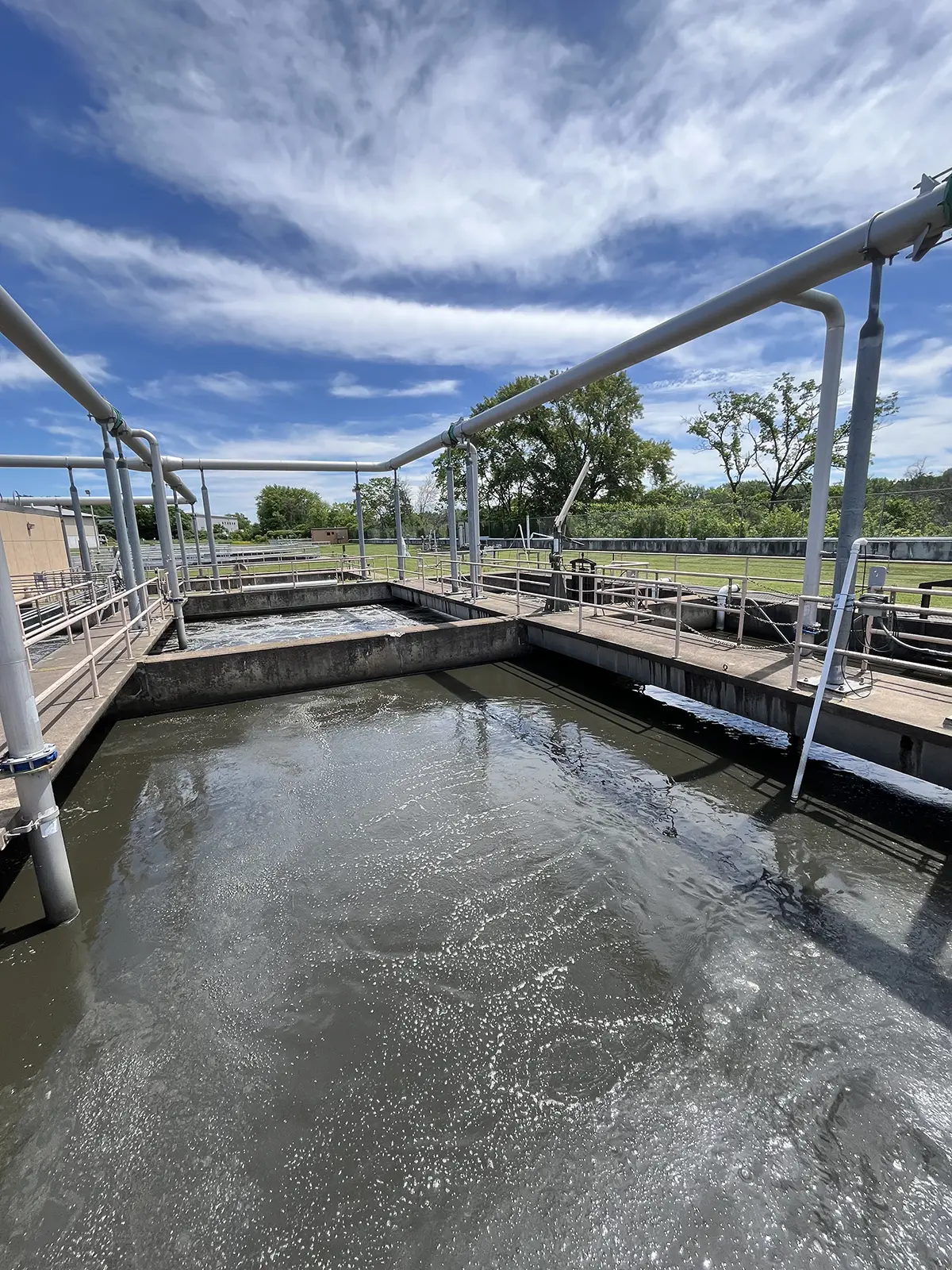
Wastewater systems are resilient, but they are also highly interconnected. The first noticeable impact was the loss of biological phosphorus removal, a process that had been reliably supported by the brewery’s wastewater for years. As operators adjusted to maintain compliance, related challenges began to surface. Biological phosphorus removal became unreliable, chemical use impacted process unit performance, ammonia control became more difficult, pH was harder to stabilize, and operating costs increased.

Addressing one issue often influenced another, requiring careful problem‑solving and coordinated adjustments rather than isolated fixes. Further, previous minor contributors now had a major impact on the WWTF.
“Infrastructure is designed for stability, but it is sensitive to change,” said Jason Benson, PE, AE2S Senior Advanced Technical Specialist. “When a significant contributor leaves, shifts in biology, chemistry, and finances begin to emerge. The challenge is responding without losing sight of long‑term system health.”
Initial steps focused on maintaining compliance, but quick fixes came with tradeoffs. Rather than locking into expensive, permanent solutions too soon, the City of Chippewa Falls partnered with AE2S to take a broader, more deliberate look at operations.
Two early adjustments produced significant improvements:
With updated controls and time to stabilize, biological phosphorus removal was restored. This confirmed that the facility could continue operating biologically without the brewery, just with a different operational approach and several additional tools to ease operations.
“Once Leinenkugel’s left, every decision – operational and design – needed to be intentional,” said Al Robertsen, AE2S Project Engineer. “Data monitoring and incremental adjustments played a critical role in understanding current and future system needs. Making a decision without a holistic view of the process could have significant consequences.”
Challenges remain, particularly with ammonia spikes tied to hauled landfill leachate and the loss of carbon that once supported multiple biological processes. Negotiations with the landfill and septic haulers are underway to arrive at a sustainable loading strategy for the WWTF.
Three additional improvements are currently in design. These improvements will help ease current operations while maintaining future flexibility for larger-scale improvements at the WWTF:
One unexpected outcome of losing a major industrial user is available capacity – capacity that is already built, permitted, and operational. For many growing communities, that kind of readiness is hard to achieve. For Chippewa Falls, it already exists.
That opens the door to a different conversation. Existing water and wastewater capacity can position a community to attract a new cornerstone employer, particularly industries that value reliability, speed to operation, and long‑term certainty. When infrastructure is ready, it reduces risk and becomes a tangible economic development advantage.
“During my time in local government, some of the most impactful economic development conversations started with infrastructure,” said Marty Doll, Communications Practice Leader and former Community Development Director. “Capacity equals readiness, and readiness is what attracts long‑term investment.”
The story of Chippewa Falls is still evolving. Gaining a significant industrial user changes a wastewater system. Losing one can be just as impactful. Both require planning, not only on the process side, but on the financial and community side as well.
Utilities benefit from asking hard questions early: What happens if a major contributor leaves? Which loads become more influential? How does infrastructure support or limit future opportunity?
Good water is always needed to make good beer. But thoughtful, system‑wide planning is what helps communities adapt, stay resilient, and move forward confidently, even when the beer is gone.