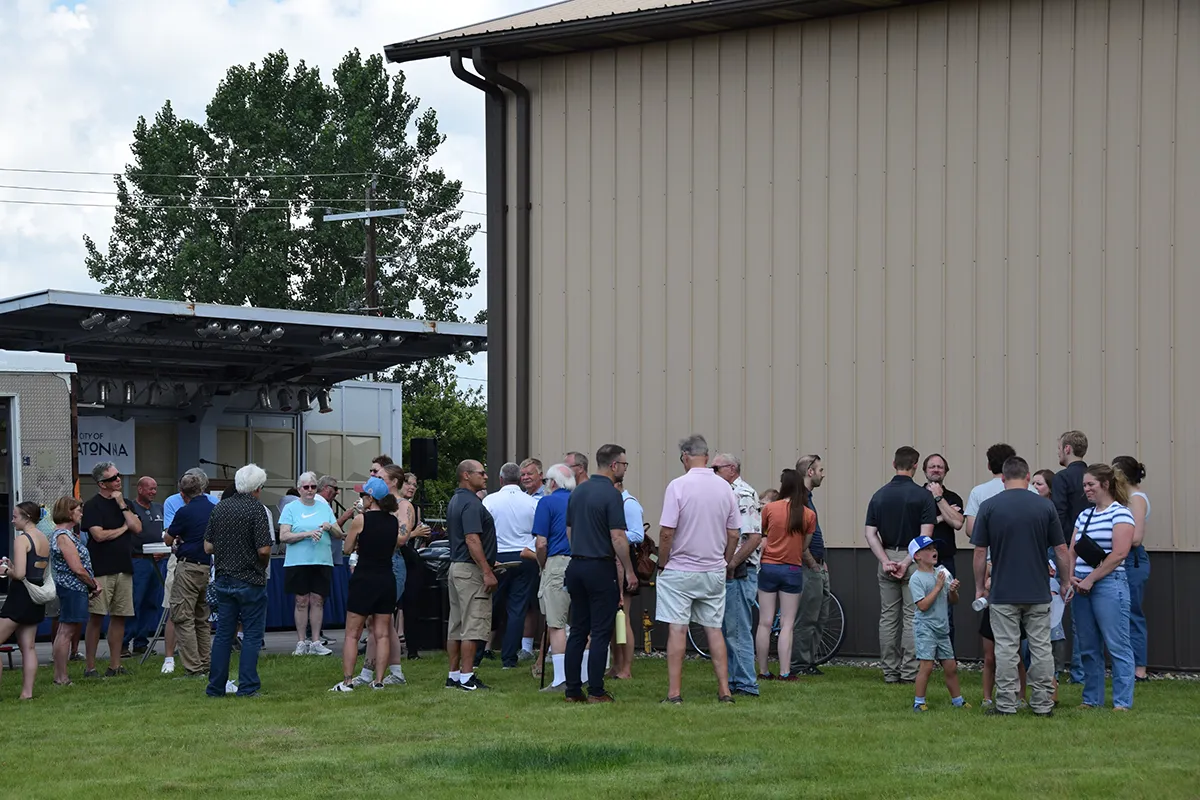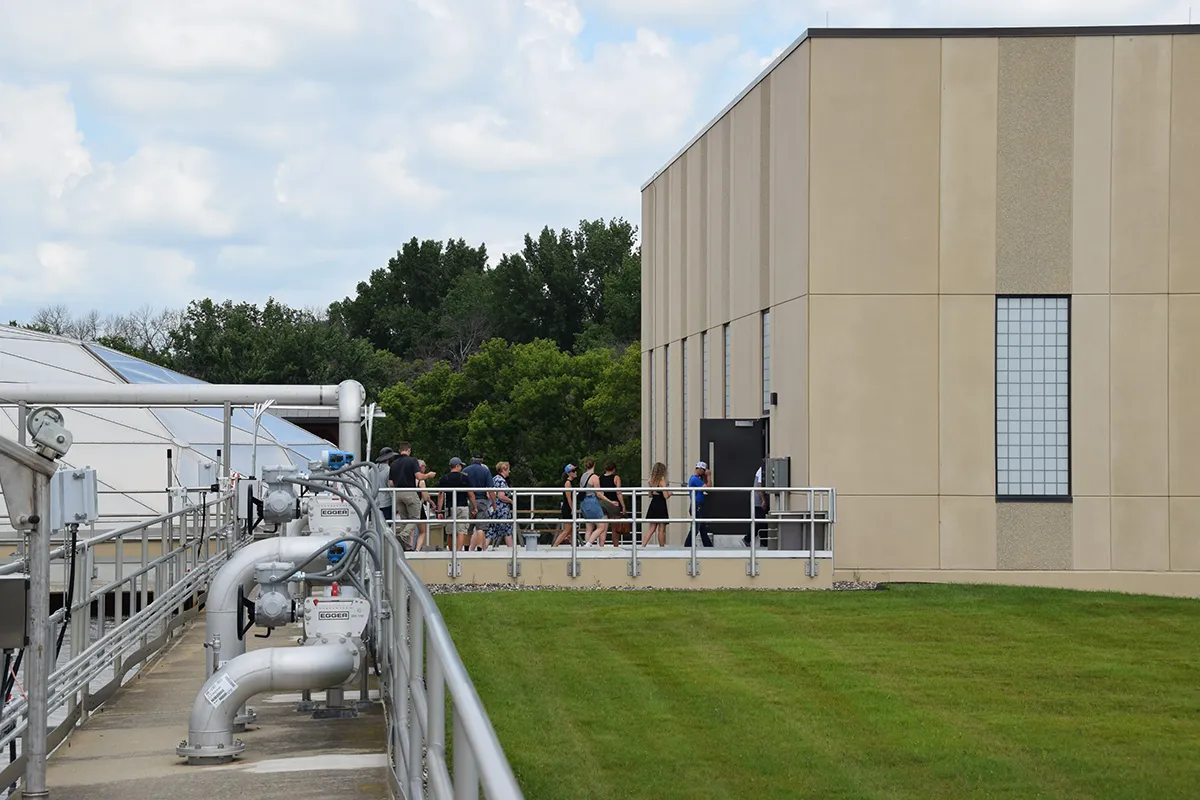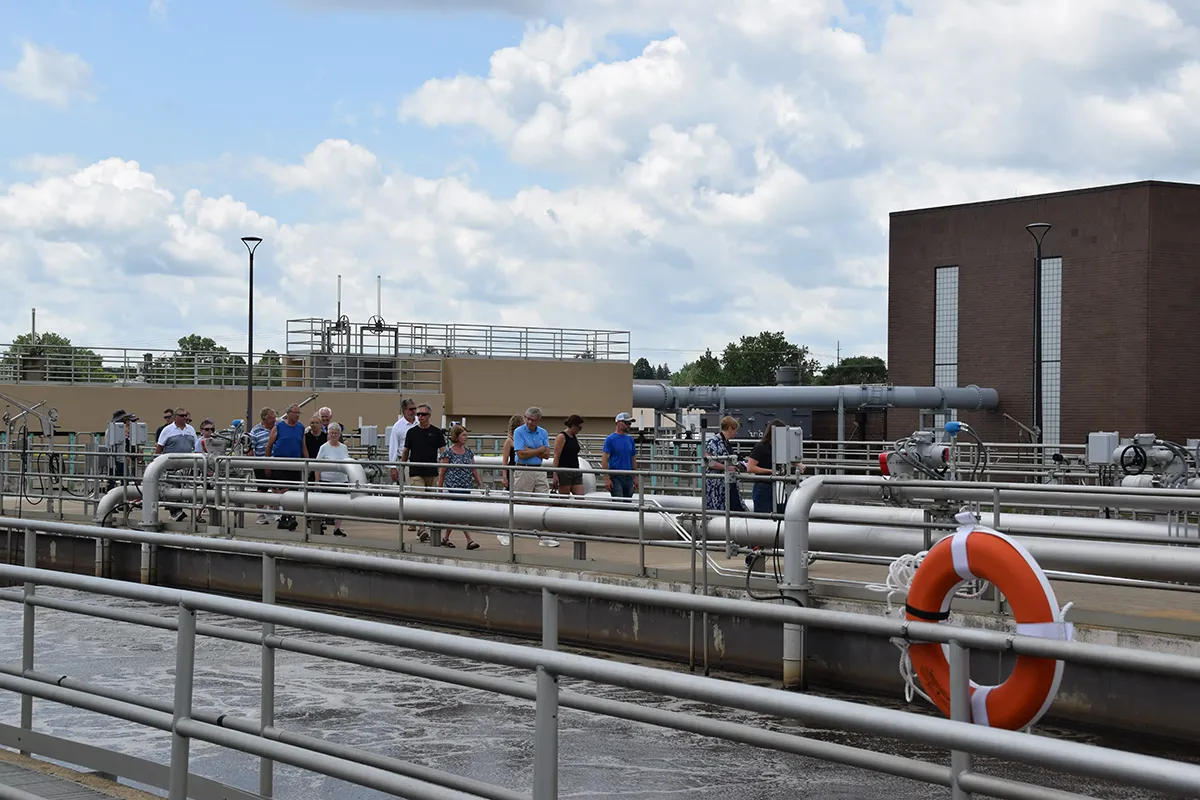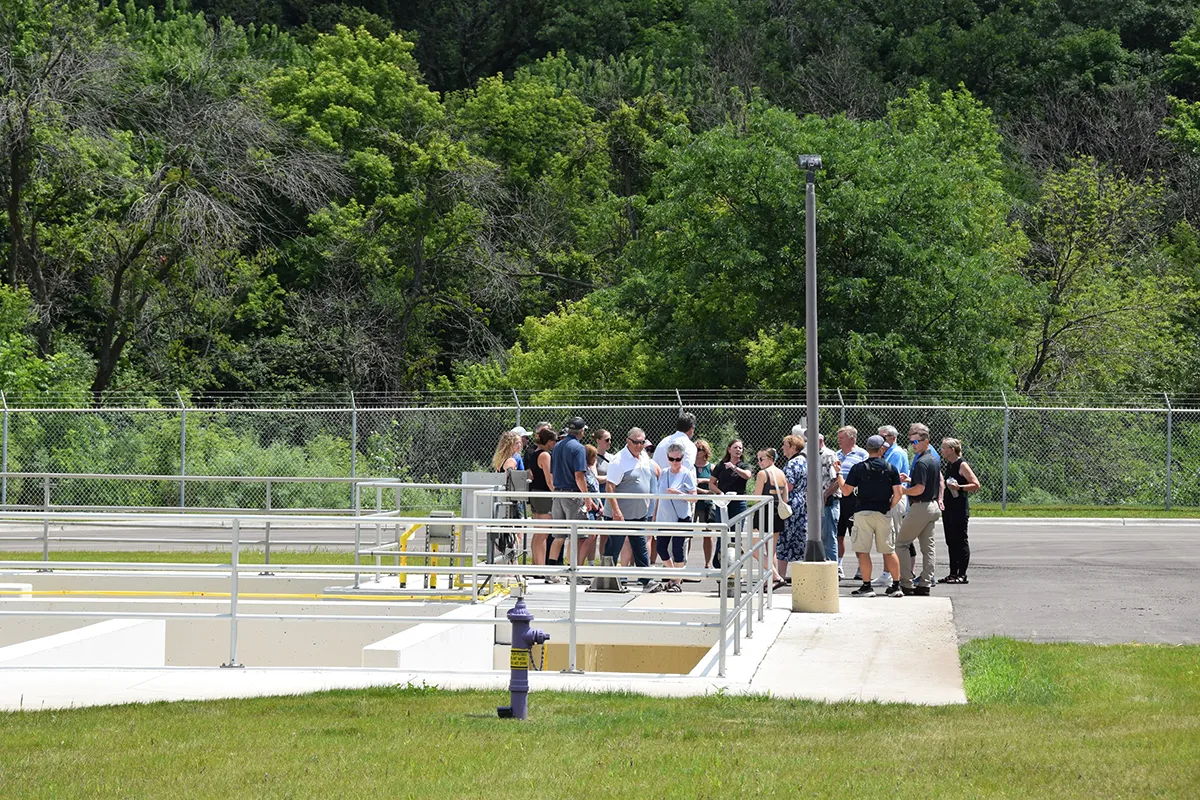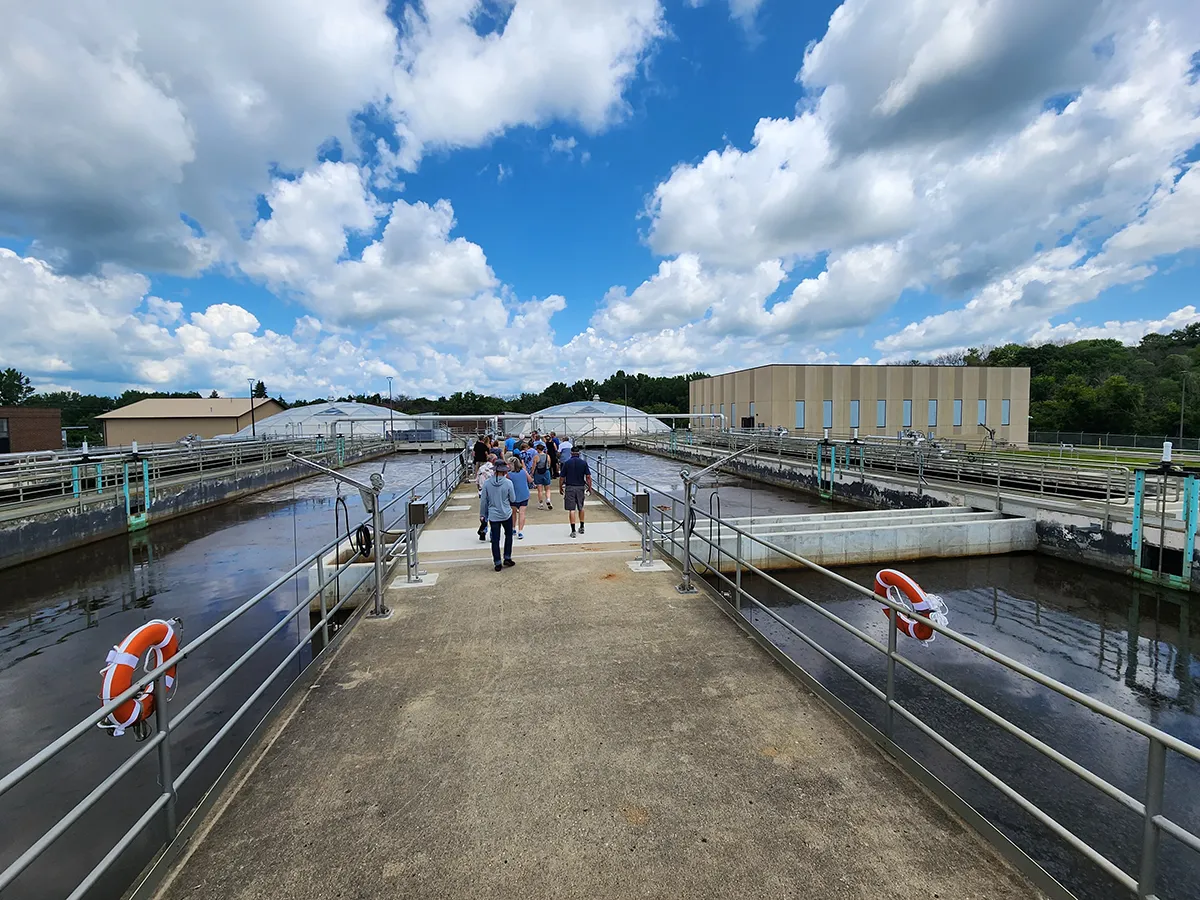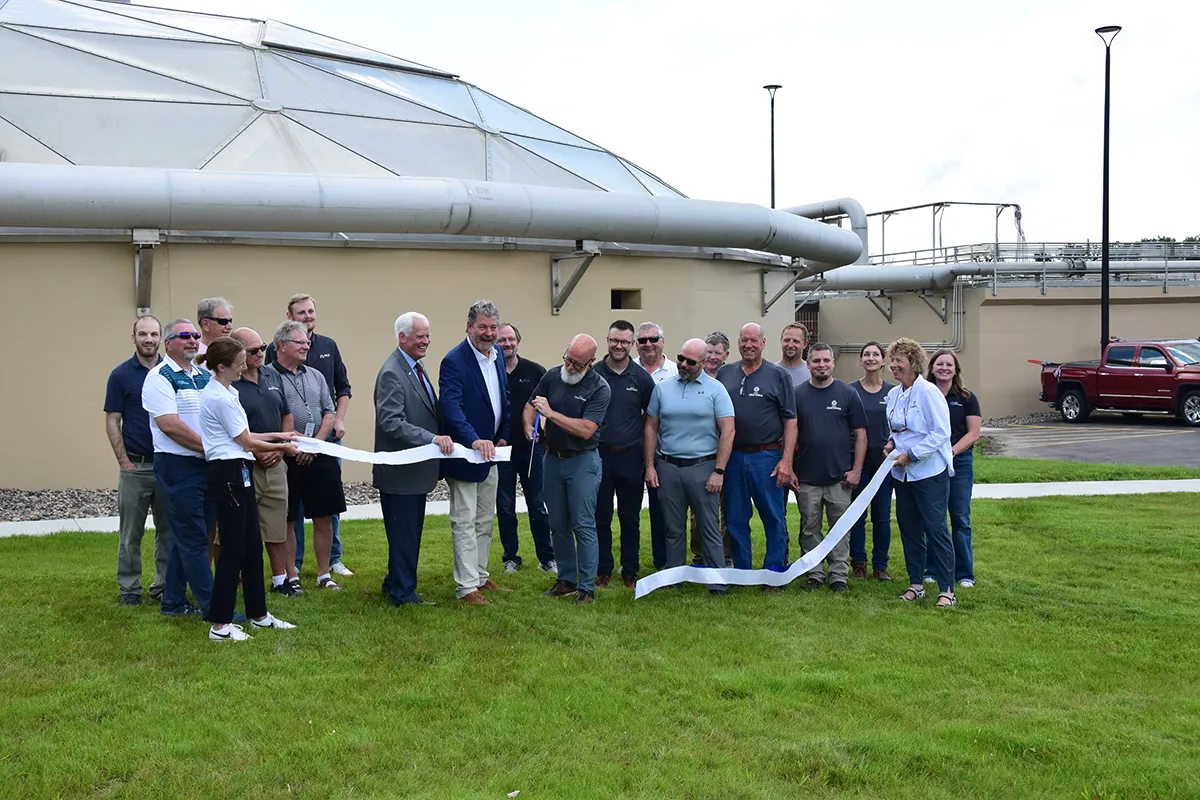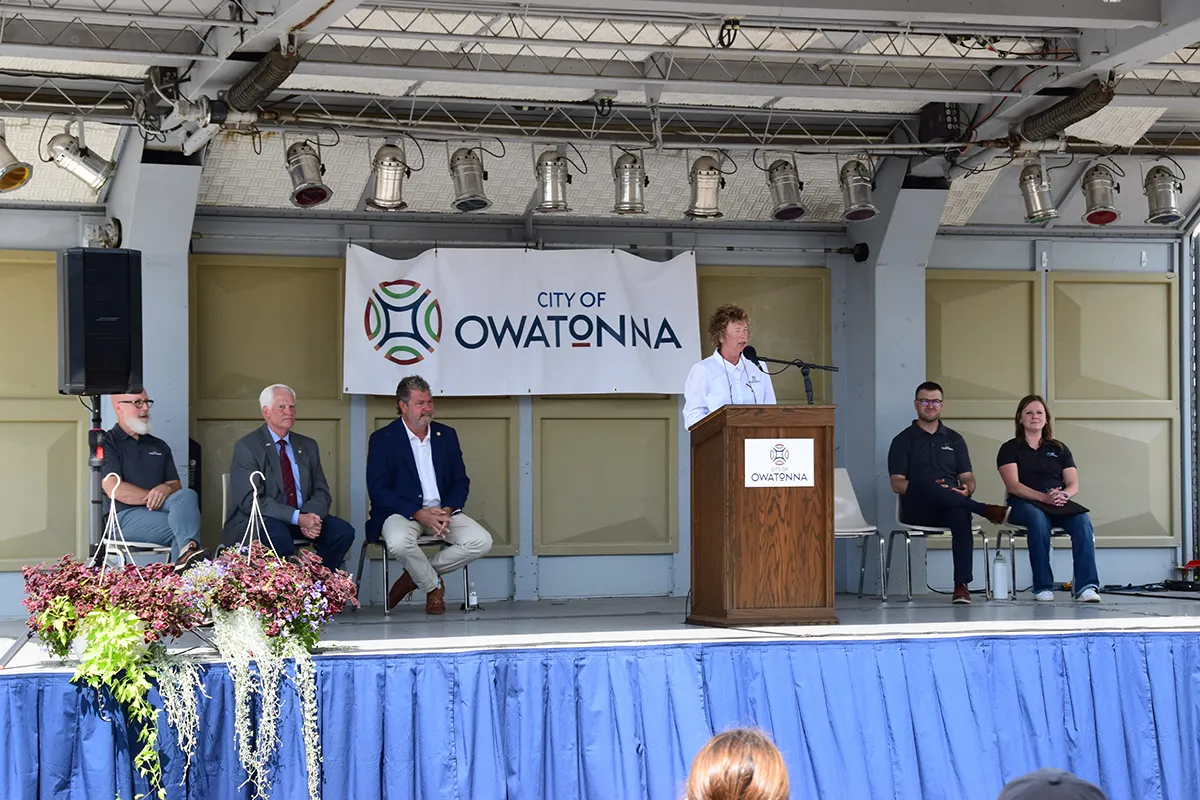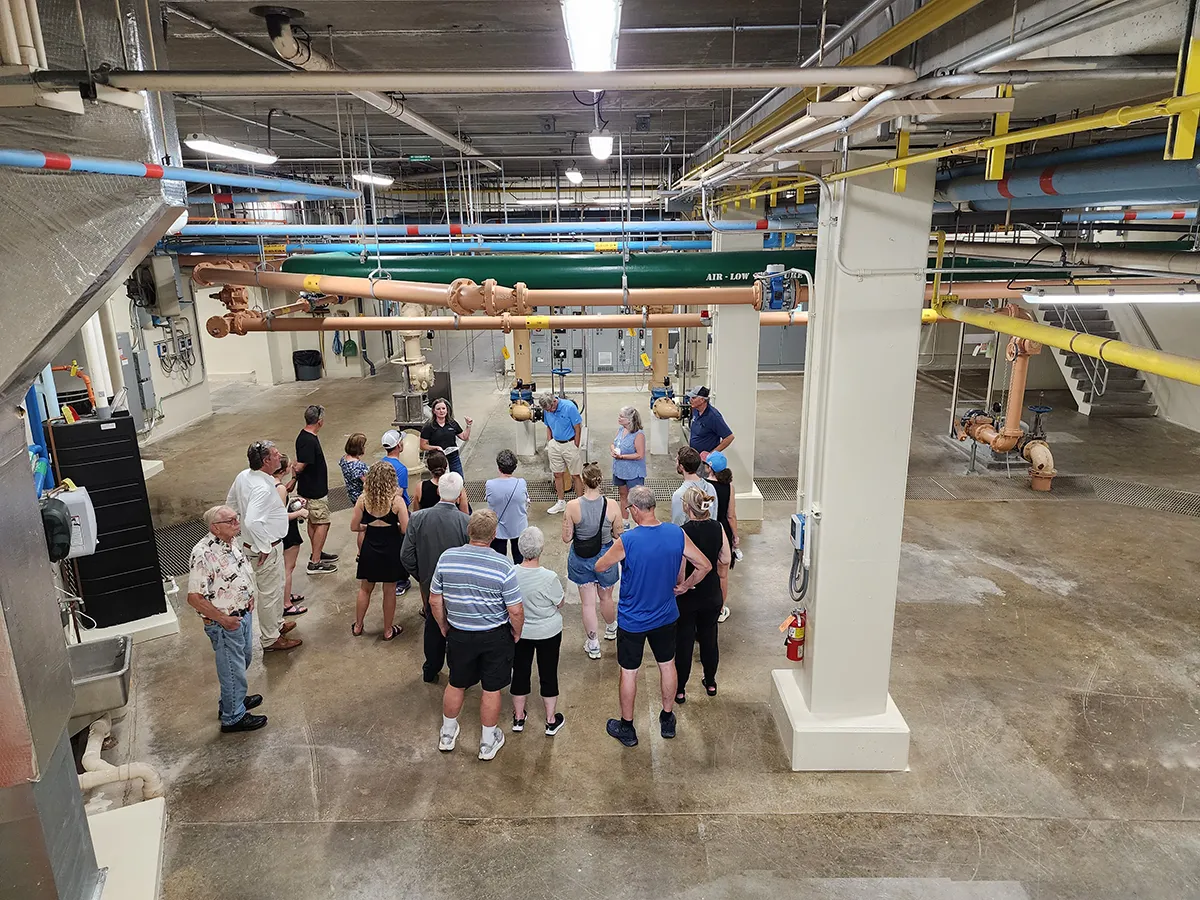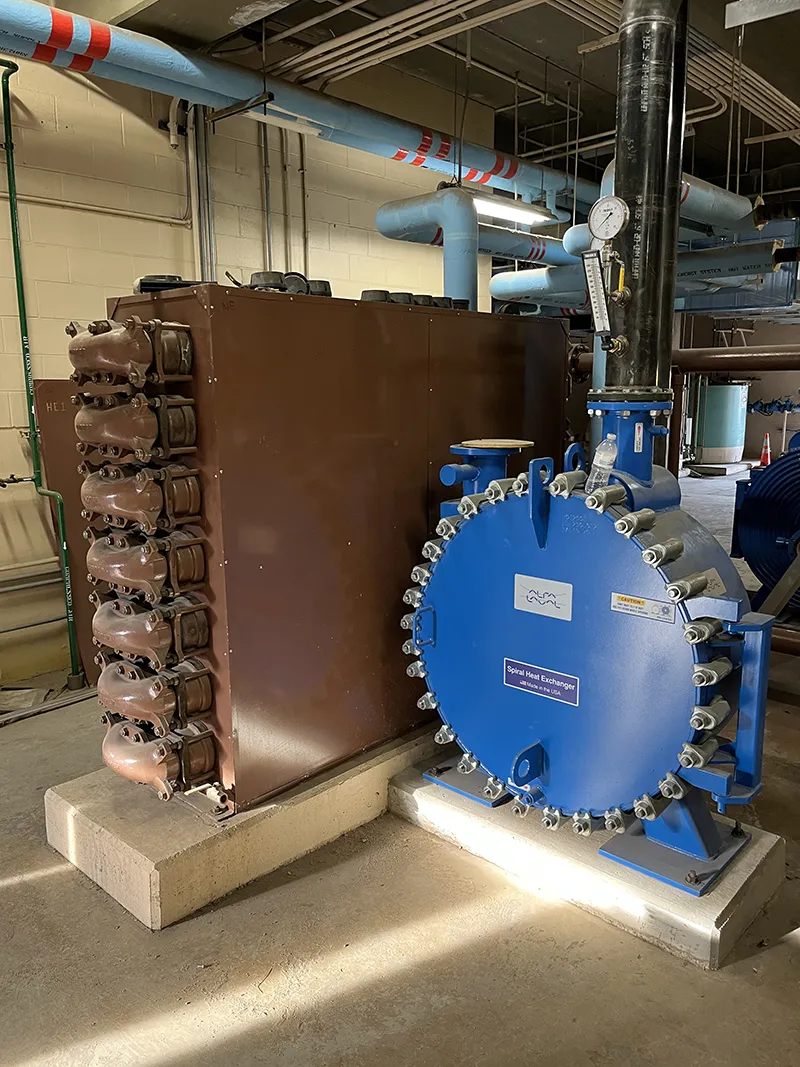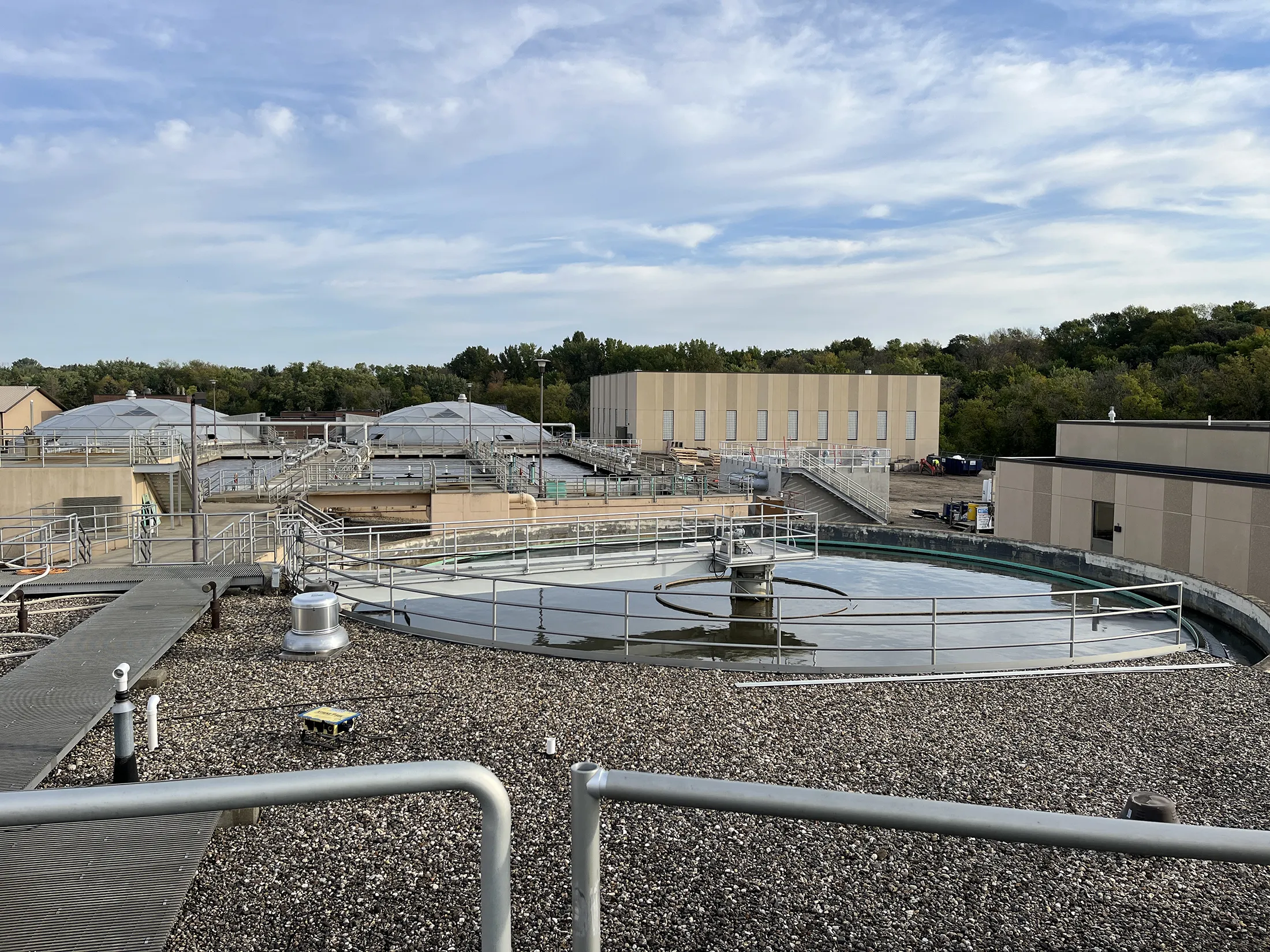


A first-of-its-kind facility in Minnesota officially opened this summer with a ribbon cutting ceremony to celebrate the completion of an $81 million expansion and upgrade project. The Owatonna Wastewater Treatment Facility (WWTF) is setting an example for cities nationwide, demonstrating the viability and benefits of renewable energy initiatives. The facility has undergone significant improvements, including the integration of a new biogas upgrading system that can discharge renewable natural gas (RNG) to the grid.
The WWTF is located next to Owatonna’s power and water utilities. The proximity created a unique opportunity to seamlessly integrate RNG back into the natural gas grid without the complexities associated with high-pressure pipelines. Integration of RNG allows the City of about 26,500 residents to not only power the wastewater facility but also contribute to the City’s overall energy needs, particularly during Minnesota’s famously cold winters. The zero-energy solution represents a significant step forward in the facility’s sustainability efforts.
Key Takeaways
1. Owatonna’s WWTF is setting an example for cities nationwide, demonstrating the viability and benefits of renewable energy initiatives.
2. Renewable natural gas is integrated back into the grid without utilizing high-pressure pipelines.
3. The integration of RNG allows Owatonna to power the WWTF and contribute to the City’s overall energy needs.
“Owatonna’s system is designed to extract energy from biogas produced during the wastewater treatment process. By scrubbing and purifying the biogas, which contains about 60% methane along with other gases, the facility can convert it into high-quality RNG with an impressive 99% methane purity,” explains Jason Benson, AE2S Senior Advanced Technical Specialist. “The process involves meticulous cleaning and compression to remove impurities like carbon dioxide, ensuring the gas meets stringent quality standards.”
The transition to RNG promises substantial economic benefits. Previously, Owatonna relied on less clean biogas for local electricity generation at the WWTF, which required extensive generator maintenance. With the introduction of RNG, maintenance costs are reduced and operational efficiency is enhanced. Moreover, Owatonna stands to gain financially through renewable gas credits, equating to tens of thousands of dollars a year. Through these savings, the capital cost associated with the system’s implementation could be paid for within 10 years. Additional tax credits helped offset the capital costs for much of the solids treatment train.
AE2S partnered with Nero Engineering to completely redesign Owatonna’s anaerobic digester complex, including a new solids thickening building, and introduce a membrane bioreactor (MBR) system to the liquids train.The WWTF is one of the largest MBR facilities in the county.
Overall, the integration of the biogas reactor system, plus solids and liquid treatment represents a significant milestone in Owatonna’s journey towards sustainable wastewater management and energy self-sufficiency.